
Industry Background & Core Challenges
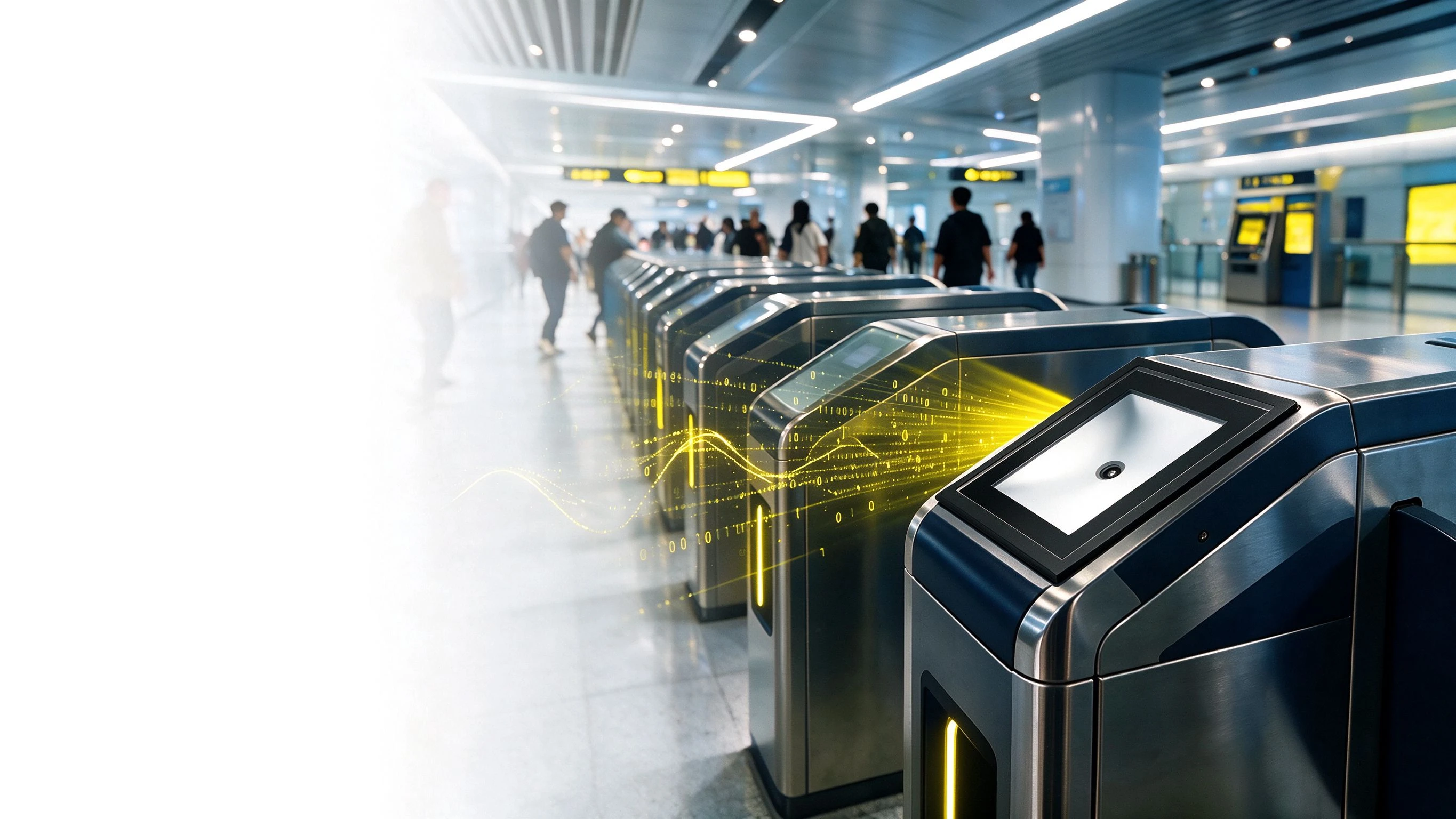
As mobile payment and smart-city initiatives advance, "scan-to-ride" has become the mainstream payment method for urban public transit. Passengers expect to pass gates quickly with just a phone QR code — no queuing for tickets, no physical cards. This places extreme demands on gate-side recognition speed, accuracy, environmental adaptability and system integration.
Core challenges fall into four areas: high passenger throughput during peak hours; complex semi-outdoor station environments requiring high protection ratings; deep integration with existing AFC, clearing and passenger information systems; and ensuring basic passenger passage during power or network outages.
High-Speed QR Recognition & Multimodal Fusion
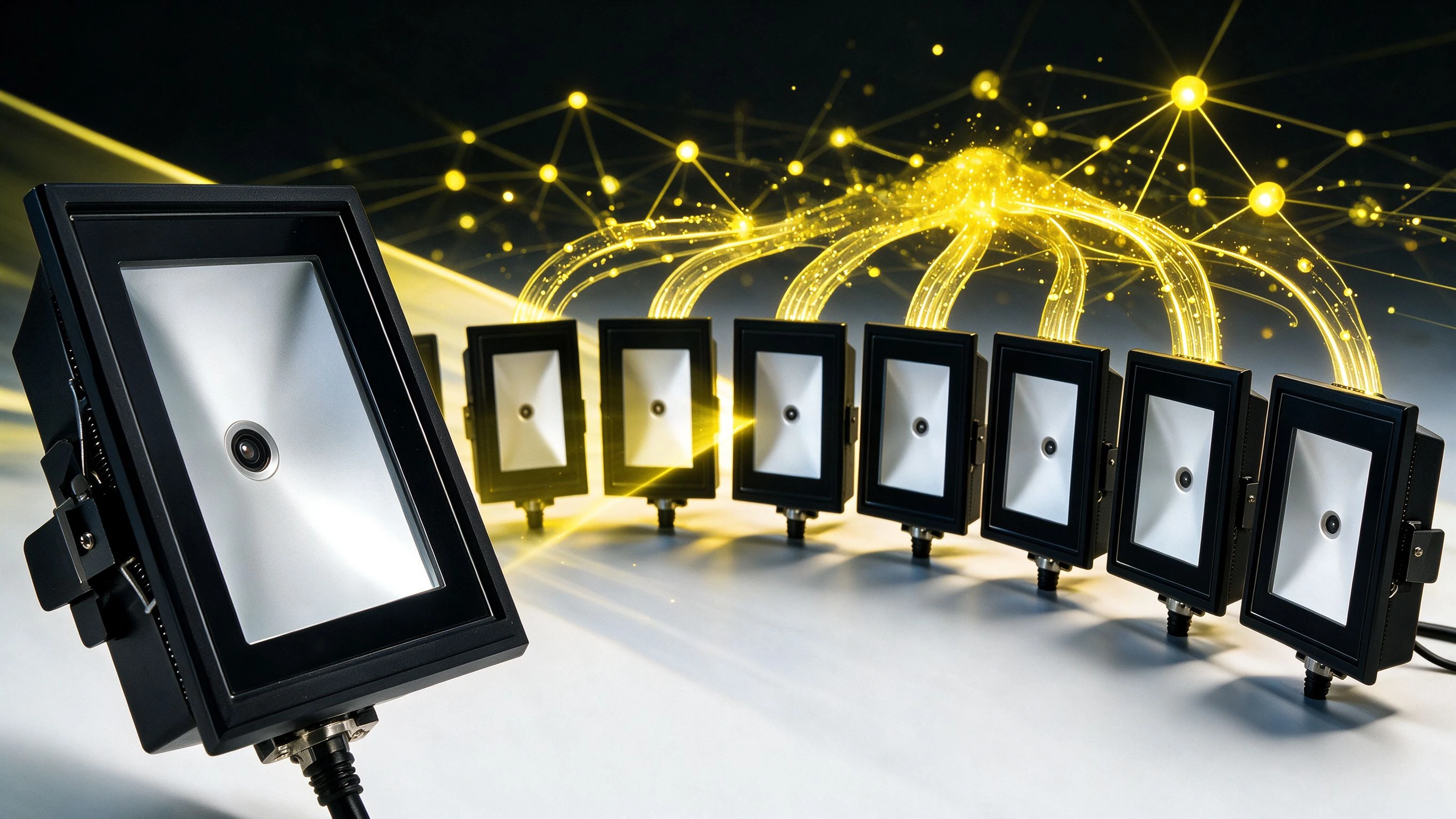
Vguang C-series QR recognition modules use self-developed high-speed image capture and decoding algorithms, recognizing in under 300ms per scan. Paired with a large reading window, passengers can scan without deliberate focusing — delivering a "scan-and-go" senseless passage experience in peak metro crowds.
Multimodal fusion terminals simultaneously support QR codes, NFC cards, ID-card reading and face recognition. Identity verification and permission checks run locally on the device, independent of real-time cloud response, keeping passage smooth even during network fluctuations.
IP67 Protection & Wide-Temperature Operation
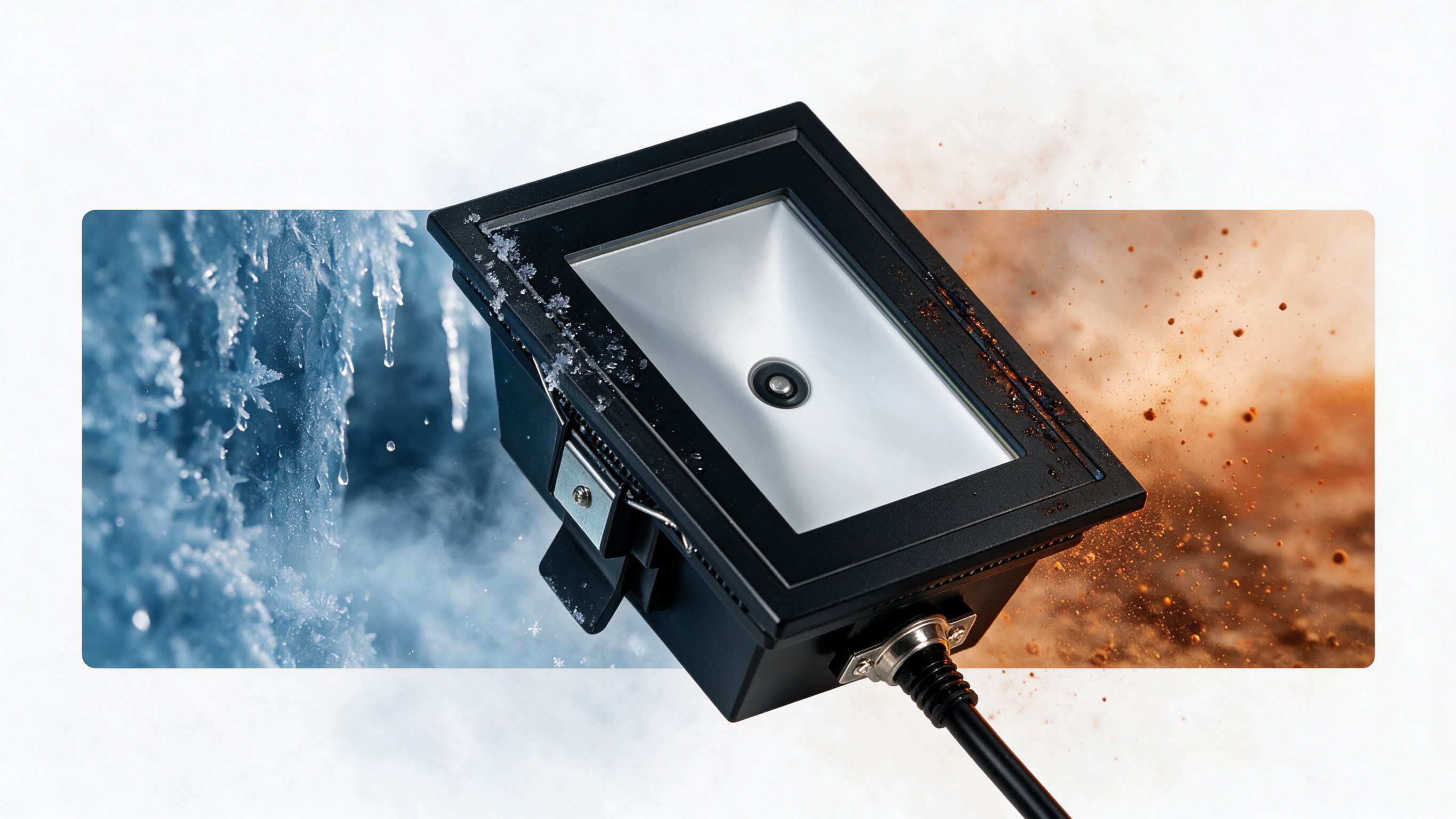
Metro stations are often semi-outdoor: hot and humid in summer, cold in winter, with dust and water splash. Vguang front-end terminals and gate control modules are industrial-grade, achieving IP67 dust/water protection and stable operation across -40°C to 70°C.
Core components are validated in long-term metro deployments for 24/7 operation. Enclosures use rust- and corrosion-resistant materials with sealed interfaces — stable even at open-air entrances or in humid underground environments, significantly reducing maintenance frequency and replacement costs.
System Integration & Platform Connectivity
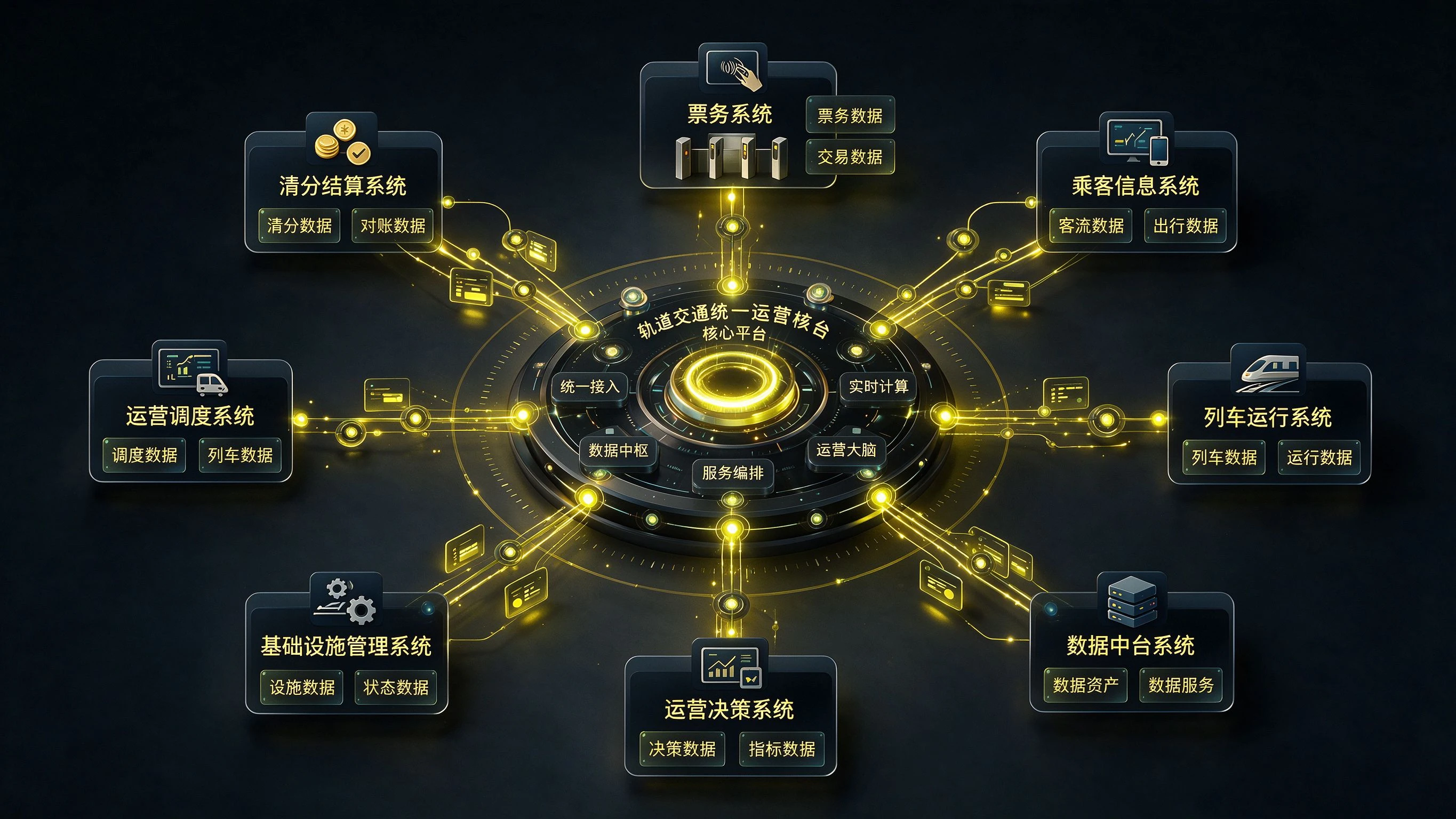
Public-transit access is not an isolated system; it must deeply integrate with the rail authority's existing IT landscape. Through open APIs and standard protocols, Vguang connects with AFC, clearing/settlement, PIS and operations dispatching — syncing code verification, transaction logs, device status and passenger-flow data in real time.
The unified management platform supports centralized control across multiple lines and stations. Operators view all gate status, passage volume, device alerts and fault tickets from HQ on one screen. Data supports multi-dimensional statistics and export by line, station and time period, informing operational decisions.
Phased Deployment & Implementation

Given the long lines, many stations and limited construction windows of urban rail projects, Vguang adopts a phased strategy: pilot validation → batch replication → system integration testing. A pilot at representative stations validates speed, efficiency and integration stability; after a standardized plan is formed, it rolls out across the line.
Deployment respects uninterrupted operation — installation and commissioning use overnight service windows, with devices ready the next day. Remote configuration and OTA upgrades mean future feature iterations require no on-site work, greatly reducing line-wide maintenance costs.
Conclusion
Centered on high-speed QR recognition, Vguang's public-transit access solution combines multimodal verification, industrial-grade protection and deep system integration — deployed in over 60% of metro stations nationwide. From Tianjin Metro Line 10 to more cities' rail networks, Vguang is committed to making every passenger's journey more convenient and safer.